

Medically reviewed by Aviv Joshua, MS, RDN
- Eggs have protein that helps keep you full and control your blood sugar levels.
- Leafy greens are low in calories and high in nutrients like vitamins K, C, and A.
- Eating air-popped popcorn supplies fiber that boosts fullness and curbs cravings.
Feeling hungry all the time can make it hard to stick with your weight loss goals. Finding foods that are both low in calories and filling can make it easier to help keep you full without feeling deprived.
Choosing low-calorie foods that are naturally high in protein, fiber, and water can help keep you satisfied.
1. Eggs
Calories: 72 per large egg
Eggs are protein-packed, with about 6 grams per large egg. Protein signals your body to release hormones that help suppress your appetite, slow digestion, and keep blood sugar levels stable.
Eggs also contain important nutrients like vitamin D, choline, and B vitamins.
Tip: Eating an egg or two helps keep hunger at bay, whether you have them for a snack or a filling breakfast base.
2. Plain Low-Fat Greek Yogurt
Calories: 146 per 7-ounce serving
Compared to whole milk Greek yogurt, the low-fat version contains 25% fewer calories. What makes it filling is its standout protein content, providing more than twice the amount of protein than regular yogurt.
The protein in Greek yogurt has been shown to stimulate the release of satiety hormones, which help you feel full after eating.
Tip: You can make low-fat Greek yogurt even more filling and naturally sweet by pairing it with fiber-rich berries (another food on this list), which also adds a dose of antioxidants (molecules that help prevent cell damage).
3. Low-Fat Cottage Cheese
Calories: 180 per 1-cup serving
Packed with about 25 grams of protein in a 1-cup serving, cottage cheese is an incredibly satisfying snack on its own.
Over half of the calories in cottage cheese come from protein, which helps support muscle maintenance and keeps you feeling full longer.
Tip: Pair cottage cheese with berries or peaches to boost satiety even more while adding natural sweetness and extra nutrients.
4. Leafy Greens
Calories: 5-9 per 1-cup serving
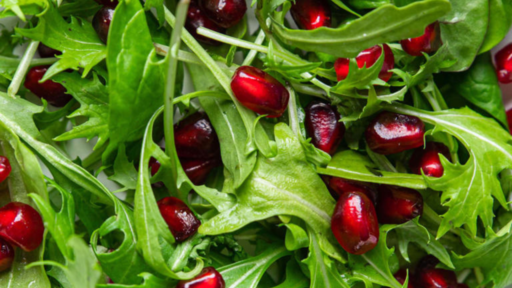
You can eat a large serving of leafy greens for a few calories. Leafy greens like kale and spinach are known for their impressive nutrition profiles, providing high amounts of nutrients like vitamins K, C, and A.
The fiber in leafy greens helps keep you full, as fiber slows digestion and reduces hunger.
Tip: Toss leafy greens into salads, smoothies, or wraps for volume without the calorie load.
5. Air-Popped Popcorn
Calories: 30 per 1-cup serving
Air-popped popcorn delivers crunch, whole grains, and fiber, all for about 30 calories per cup. The fiber in popcorn may help promote fullness and curb cravings between meals.
Popcorn contains significant amounts of phenolic acid, a disease-fighting antioxidant.
Tip: Popcorn becomes a delicious low-calorie snack when prepared plain or with a sprinkle of flavorful herbs and spices.
6. Oatmeal
Calories: 150 per half-cup serving
Oats are a whole grain known for their soluble fiber content, particularly beta-glucan, which supports heart health and long-lasting satiety. In a half-cup serving, you’ll get about 13% of your daily fiber needs.
7. Berries
Calories: 30-40 calories per half-cup serving
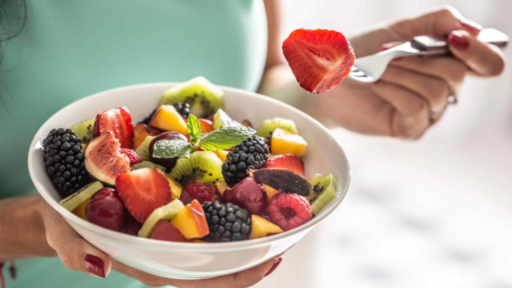
Strawberries, blueberries, raspberries, and other berries are naturally sweet, low in calories, and packed with disease-fighting antioxidants like vitamin C and anthocyanins (pigments that give berries their rich color).
With around 30-40 calories per half-cup serving, berries offer a refreshing way to satisfy a sweet tooth without added sugar or many calories. Thanks to their high water content and fiber, berries can keep you full while supporting healthy digestion.
8. Watermelon
Calories: 25 calories per half-cup serving
Watermelon is a naturally sweet and refreshing snack, providing just 25 calories in a half-cup serving. It’s over 90% water, which helps make watermelon so filling.
Watermelon also delivers antioxidants like lycopene and vitamin C, which support heart health and immune function.
9. Celery
Calories: 18 calories per two large stalks
Celery is a low-calorie snack with a satisfying crunch. Though celery contains few calories, it’s a good source of several vitamins and minerals, including folate (which supports cell growth and helps your body make DNA) and vitamin K.
It provides smaller amounts of potassium, which helps regulate your blood pressure, fluid balance, and muscle function, manganese, which supports your bone health, metabolism, and antioxidant function, and fiber.
Tip: Known for being mostly water, celery promotes fullness, especially when paired with other filling foods like nut butter or hummus.
10. Zucchini
Calories: 27 calories per 1 cup, sliced
Zucchini is a mild, low-calorie vegetable that’s over 90% water, making it naturally hydrating and ideal for adding bulk to meals without significantly increasing calories.
One cup of zucchini has just 27 calories, plus a good dose of fiber, vitamin C, and potassium, which are nutrients that support immune function and heart health.
How Do Low-Calorie Foods Support Your Health?
Here are some ways that nutrient-rich, low-calorie foods can support your health:
- Encourage weight control: Focusing on low-calorie foods high in fiber and protein can support weight management by reducing your overall calorie intake.
- Promote fullness: What most low-calorie whole foods have in common is their fiber, water, and protein content, which help keep you satisfied between meals and prevent overeating.
- Boost nutrient intake: Naturally low-calorie foods such as fruits and vegetables are rich in vitamins, minerals, and antioxidants that can help prevent disease, support overall health, and keep you energized.
- Reduce risk of chronic disease: Diets rich in low-calorie, nutrient-dense foods may lower your risk of heart disease, type 2 diabetes, and certain cancers.
- Improve digestion: Many low-calorie plant-based foods are high in appetite-curbing fiber, which promotes digestion and regularity.
How Can You Add Low-Calorie Foods to Your Diet?
Here are some practical tips to help you make the most of low-calorie foods in your diet:
- Build balanced meals: Pair low-calorie foods with more calorie-dense options like healthy fats (avocado, olive oil, nut butter), whole grains, or lean proteins for satisfying, well-rounded meals.
- Use low-calorie foods as volume boosters: Add lots of low-calorie foods, like veggies, to pasta, sandwiches, or grain bowls to increase your meal size, which may help you feel more satisfied without significantly increasing your calorie intake.
- Plan ahead: Keep low-calorie snacks like air-popped popcorn, Greek yogurt, or chopped vegetables on hand to curb hunger between meals.
- Prioritize texture and flavor: Mix crisp, crunchy, and creamy low-calorie foods into your meals and snacks to keep things interesting and enjoyable for your taste buds.
- Keep variety in mind: Eating a range of low- and higher-calorie foods from all the food groups will help ensure you get the nutrients your body needs to thrive.
- Focus on feeling good: While calorie awareness can be helpful, focusing too much on numbers can lead to unnecessary restriction. Remember to focus on what makes you feel energized, full, and nourished, not just on low-calorie counts.