

Healthy High-Protein, Low-Calorie Snacks: 30 Smart Choices to Keep You Full and Energized
Finding snacks that satisfy hunger without loading up on calories can feel like a challenge. Many convenient snacks are packed with refined carbohydrates, added sugars, and unhealthy fats, leaving you hungry again within a short time. High-protein, low-calorie snacks offer a practical alternative because protein helps promote fullness, supports muscle maintenance, and provides steady energy throughout the day.
Whether you’re trying to lose weight, build muscle, maintain a healthy lifestyle, or simply avoid afternoon energy crashes, choosing protein-rich snacks can make a noticeable difference. The best options combine quality protein with fiber, vitamins, and minerals while keeping calories under control.
This guide explores 30 nutritious snack ideas along with practical tips for making healthier choices every day.
Why High-Protein Snacks Matter
Protein is one of the most satisfying nutrients in the diet. Unlike sugary snacks that can cause rapid spikes and crashes in blood sugar, protein digests more slowly, helping you stay full longer. It also plays an important role in repairing tissues, supporting immune function, producing hormones, and maintaining lean muscle mass.
Lower-calorie snacks become even more effective when they contain a meaningful amount of protein. Instead of simply reducing calories, you’re improving the nutritional value of every bite. Pairing protein with fiber-rich fruits or vegetables further increases satiety while adding antioxidants and essential nutrients.
The Role of Protein in Daily Nutrition
Most adults benefit from spreading protein intake throughout the day rather than consuming the majority at dinner. Including protein with snacks helps maintain consistent energy levels and may reduce overeating at later meals.
Protein sources include:
- Dairy products
- Eggs
- Poultry
- Fish
- Lean meats
- Soy foods
- Legumes
- Nuts and seeds
Benefits of Choosing Lower-Calorie Snacks
Smart snacks should satisfy hunger without replacing balanced meals. Choosing options between roughly 100 and 250 calories can help manage appetite while fitting into a healthy eating pattern.
Benefits include:
- Better appetite control
- Improved energy
- Easier weight management
- Support for muscle recovery
- Reduced cravings for sugary foods
What Makes a Great High-Protein Snack?
The healthiest snacks aren’t just high in protein. They also provide vitamins, minerals, healthy fats, or fiber.
Look for snacks that offer:
- At least 8–15 grams of protein
- Minimal added sugar
- Moderate sodium
- Whole-food ingredients whenever possible
- Simple ingredient lists
Balancing Protein, Fiber, and Healthy Fats
Combining nutrients creates longer-lasting satisfaction. For example:
| Protein | Fiber | Healthy Fat |
|---|---|---|
| Greek yogurt | Berries | Chia seeds |
| Cottage cheese | Cucumber | Pumpkin seeds |
| Turkey slices | Bell peppers | Avocado |
| Edamame | Vegetables | Sesame seeds |
Reading Nutrition Labels
When shopping, pay attention to:
- Protein per serving
- Calories
- Added sugars
- Sodium content
- Serving size
Sometimes products advertised as “high protein” contain nearly as much sugar as dessert.
30 Healthy High-Protein, Low-Calorie Snack Ideas
Dairy-Based Options
- Plain Greek yogurt with berries
- Cottage cheese with pineapple
- Skyr yogurt
- Low-fat string cheese
- Ricotta with cinnamon
- Kefir smoothie
These foods provide high-quality protein and calcium while remaining relatively low in calories.
Egg and Poultry Snacks
- Hard-boiled eggs
- Egg white bites
- Turkey roll-ups with lettuce
- Grilled chicken strips
- Chicken salad in cucumber cups
- Turkey jerky (lower sodium)
Lean poultry offers complete protein with relatively little fat.
Plant-Based Choices
- Roasted edamame
- Steamed edamame
- Roasted chickpeas
- Tofu cubes
- Tempeh bites
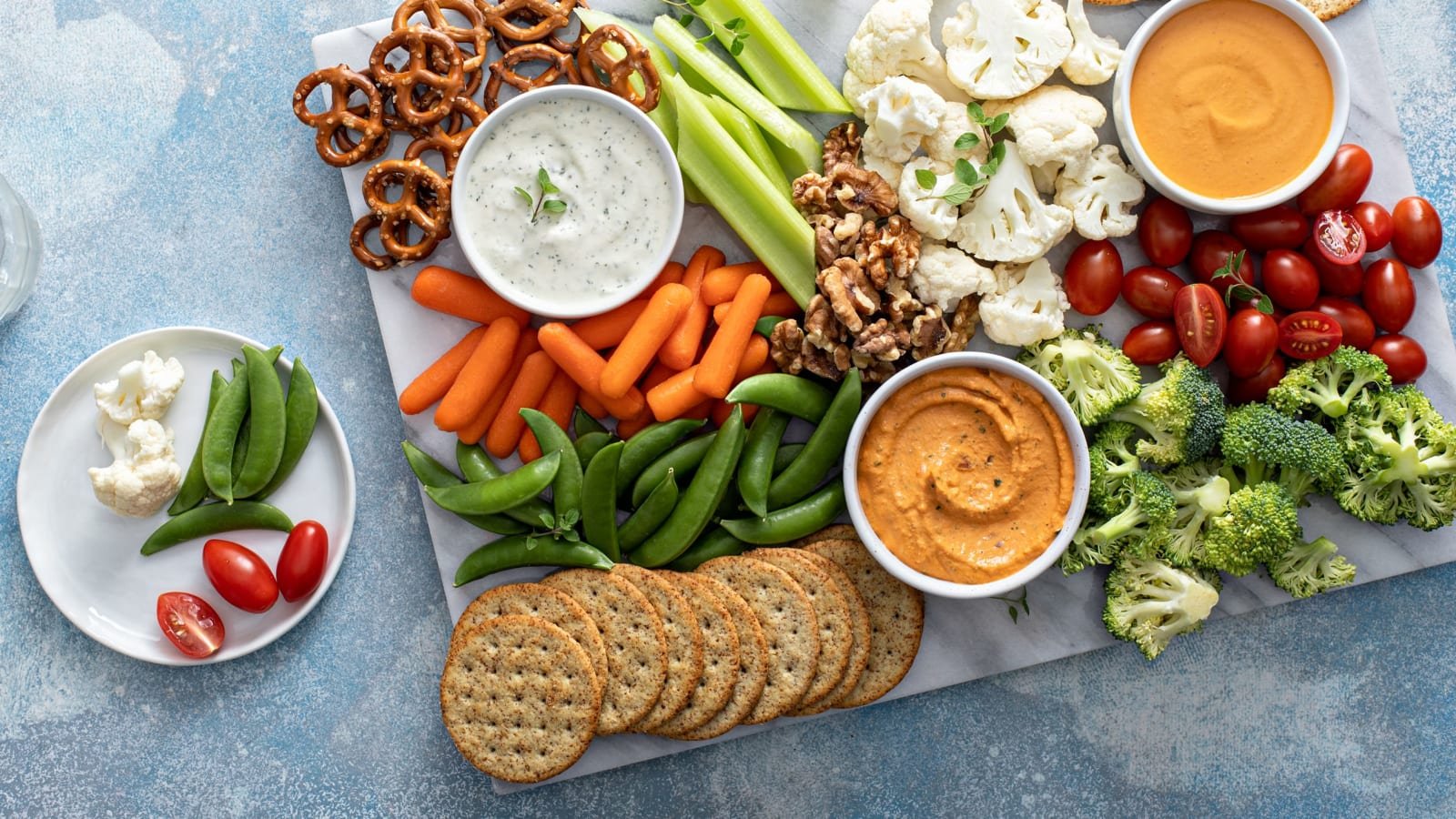
- Hummus with vegetables
Plant proteins also contribute fiber and beneficial plant compounds.
Seafood and Meat Snacks
- Tuna packets
- Salmon pouch
- Shrimp cocktail
- Lean roast beef slices
- Sardines on whole-grain crackers
- Smoked salmon with cucumber
Seafood supplies omega-3 fatty acids alongside protein, making these snacks especially nutritious.
Convenient Grab-and-Go Options
- Protein shake
- Protein smoothie
- High-protein nutrition bar
- Dry roasted soybeans
- Mixed cottage cheese snack cup
- Homemade protein energy bites
Portable options make healthy eating easier during busy days, though checking ingredient labels is always worthwhile.
Tips for Building Better Snack Habits
Portion Control
Even nutritious foods can contribute excess calories if portions become too large. Pre-portion snacks into containers rather than eating directly from large packages. This simple habit makes it easier to stay mindful of serving sizes.
Planning snacks ahead of time also reduces impulse purchases and helps ensure healthier choices are available when hunger strikes.
Meal Prep Strategies
Preparing snacks in advance saves both time and effort.
Ideas include:
- Boil eggs for the week.
- Portion Greek yogurt into containers.
- Wash and cut vegetables.
- Divide nuts into individual servings.
- Cook extra chicken during dinner for next-day snacks.
Having ready-to-eat options often makes healthy decisions much easier.
Common Mistakes to Avoid
Many products marketed as healthy aren’t always the best nutritional choice.
Common pitfalls include:
- Choosing protein bars with excessive sugar.
- Ignoring serving sizes.
- Drinking high-calorie protein beverages unnecessarily.
- Depending entirely on processed snacks.
- Forgetting fruits and vegetables.
Whole foods should make up the majority of your snack choices whenever possible.
Conclusion
High-protein, low-calorie snacks can play an important role in a balanced eating pattern. They help manage hunger, support muscle health, and provide steady energy between meals. By choosing nutrient-dense foods such as Greek yogurt, eggs, lean meats, seafood, legumes, and dairy products, you can enjoy satisfying snacks without consuming unnecessary calories.
The key is variety. Rotating different protein sources ensures you receive a broader range of nutrients while preventing snack fatigue. Pairing protein with fiber-rich fruits and vegetables creates balanced combinations that support both health and long-lasting fullness. With a little planning, nutritious snacks become one of the easiest habits to maintain for long-term wellness.
Frequently Asked Questions
1. How much protein should a healthy snack contain?
Most nutritious snacks contain between 8 and 20 grams of protein, depending on your daily needs and activity level.
2. Are protein snacks good for weight loss?
They can be helpful because protein increases satiety, which may reduce overall calorie intake when combined with a balanced diet.
3. Can vegetarians eat enough protein through snacks?
Yes. Foods such as edamame, tofu, tempeh, Greek yogurt, cottage cheese, legumes, and protein-rich dairy products provide excellent vegetarian protein sources.
4. Is it okay to eat protein bars every day?
Protein bars can be convenient, but whole-food options are generally more nutritious. If you choose a protein bar, look for one with moderate calories, low added sugar, and quality ingredients.
5. What is the best high-protein snack after a workout?
Greek yogurt with fruit, cottage cheese, a protein smoothie, grilled chicken, or a tuna packet are all excellent post-workout choices because they provide high-quality protein to support muscle recovery.