
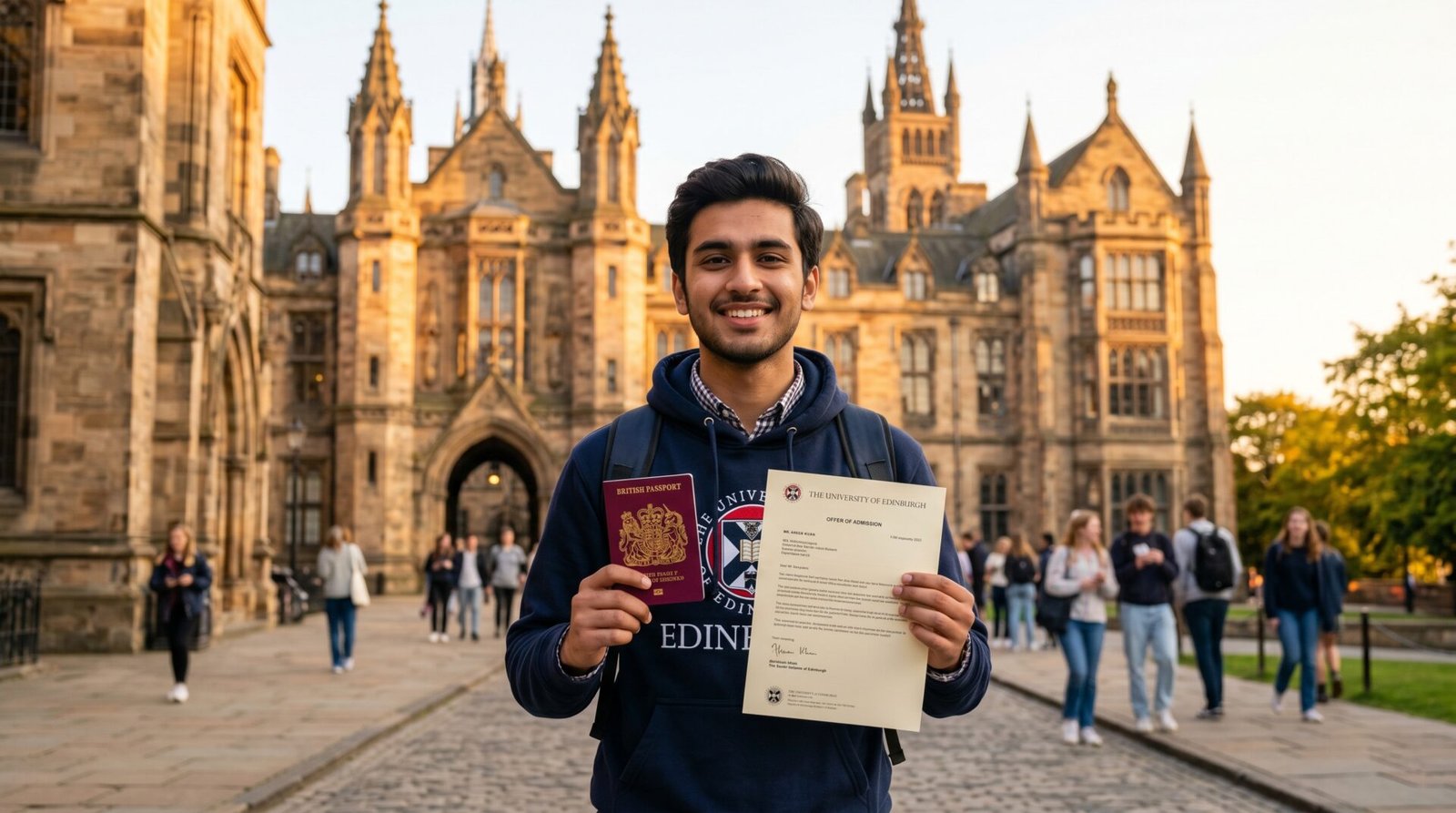

The dream of walking across a historic European campus or securing a degree from a top-tier global university often feels like a financial impossibility. In 2026, with global inflation rising and tuition fees at traditional hubs like the UK and USA skyrocketing, many students from Pakistan, India, and across the developing world are feeling priced out of their futures. However, a significant shift is happening. A savvy group of students is bypassing the traditional “high-cost” routes and saving thousands of dollars using a specific strategy that most educational consultants won’t tell you about.
This isn’t about cutting corners; it’s about a tactical pivot toward high-value, low-tuition ecosystems combined with strategic scholarship stacking. This study abroad trick 2026 is allowing students to gain world-class education for less than the cost of a private degree in their home country. If you have been staring at a bank balance and wondering if you’ll ever make it abroad, this guide is your roadmap to making it happen this year.
What Is This Study Abroad Trick in 2026?
The “trick” isn’t a single secret button, but rather a three-pillar strategy that exploits current geopolitical and educational shifts:
-
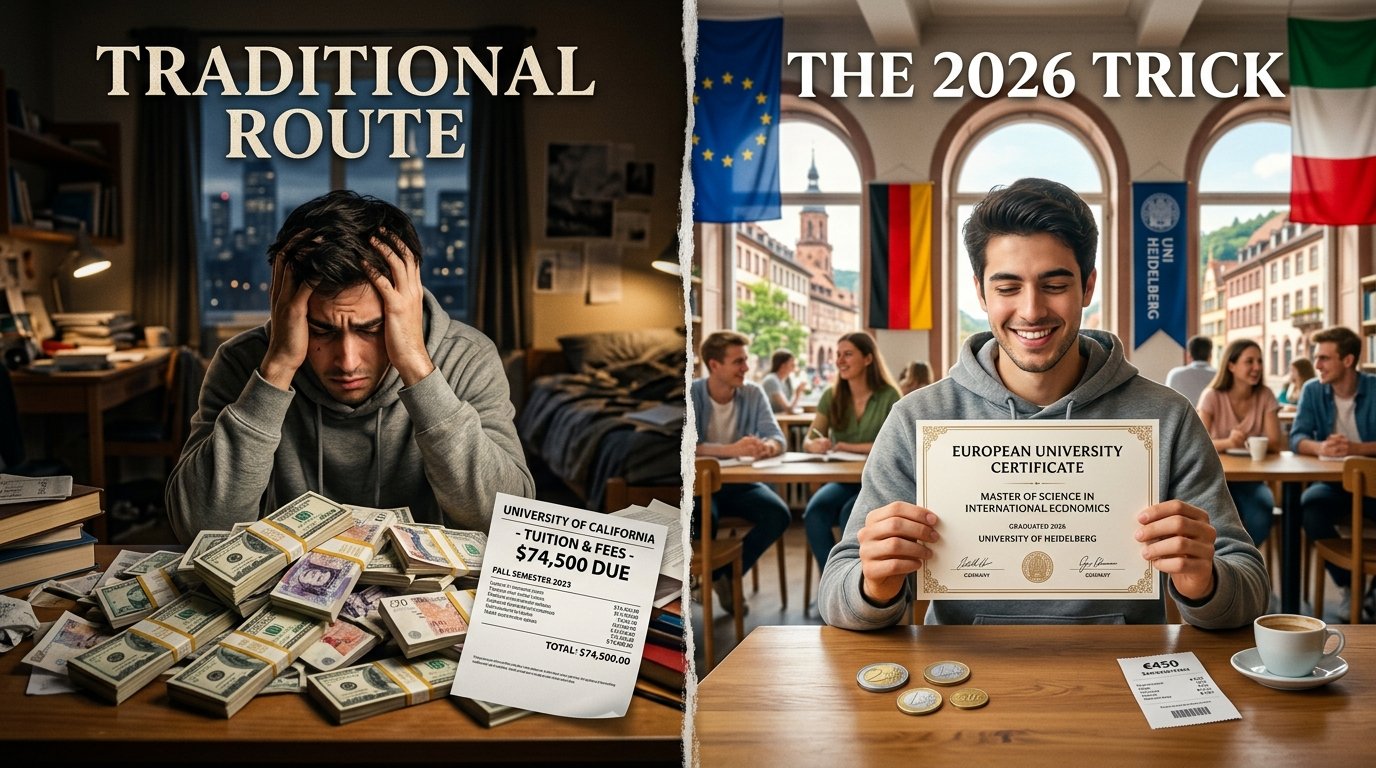
Strategic Geo-Arbitrage: Instead of targeting “Big Four” countries (USA, UK, Canada, Australia), students are flocking to European nations where tuition is either zero or subsidized by the state for international students.
-
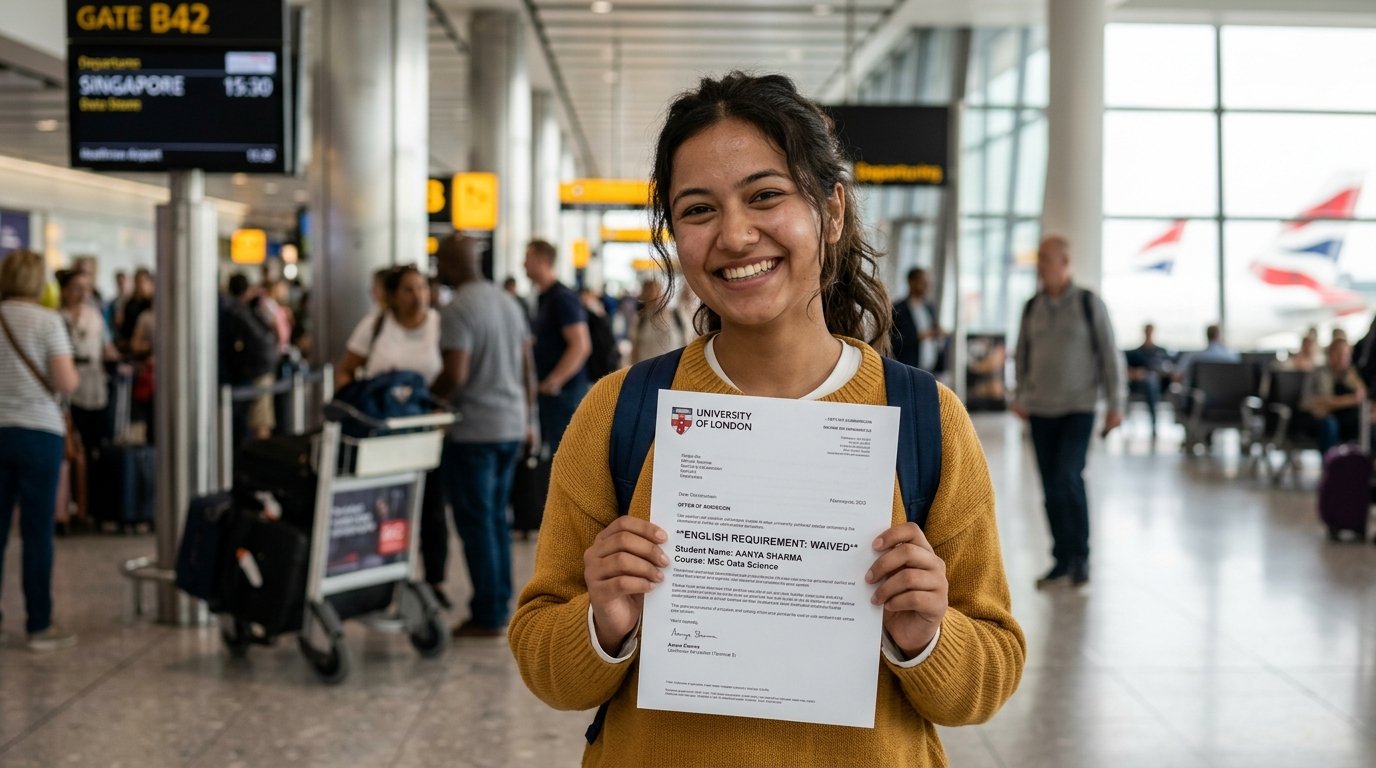
The IELTS Bypass: Many universities in 2026 now accept Medium of Instruction (MOI) certificates or alternative tests like Duolingo, saving students months of prep time and hundreds of dollars in exam fees.
-
Micro-Scholarship Stacking: Instead of waiting for one “Full Ride” that may never come, students are combining university tuition waivers with regional government grants and private sector stipends.
By choosing cheap universities abroad for Pakistani students and Indian students in regions like Central Europe and Eurasia, you are essentially getting a European Union-standard degree at a fraction of the cost.
Why Students Are Using This Trick
The shift toward this new method is driven by necessity. Traditional study destinations have increased their proof-of-fund requirements significantly. In 2026, the required bank balance for a UK or Australian visa has reached levels that many middle-class families simply cannot meet.
-
Currency Devaluation: For students in Pakistan and India, the weakening of local currencies against the Dollar and Pound makes traditional destinations twice as expensive as they were three years ago.
-
Visa Flexibility: Countries like Germany and Italy have introduced more flexible post-study work visas to combat their aging workforce, making them more attractive than the increasingly restrictive UK or Canada.
-
The Rise of English-Taught Programs: You no longer need to speak fluent German or Polish to study in those countries; the number of English-taught Bachelors and Masters programs in Europe has grown by 40% since 2023.
Countries Where This Trick Works Best
If you want to maximize your savings, you need to look at specific “Value Hubs.” Here is where the study abroad trick 2026 is most effective:
1. Germany
Germany remains the “Gold Standard” for cost-saving. Public universities offer free tuition to international students (with the exception of the state of Baden-Württemberg and some recent changes in Bavaria). You only pay a small semester contribution.
-
Benefit: World-class engineering and tech programs.
-
Opportunity: High demand for skilled labor means excellent part-time job prospects.
2. Italy
Italy is the hidden gem of 2026. Through the DSU Scholarship (regional subsidy), students with low family income can get their tuition waived and receive a yearly stipend of roughly €6,000 to €7,000, plus free canteen meals.
-
Benefit: Extremely low entry barriers for students from developing nations.
3. Turkey
For students looking for a blend of Eastern and Western culture, Turkey offers the Turkey Burslari. This is a fully funded scholarship 2026 opportunity that covers tuition, monthly stipend, insurance, and even flight tickets.
4. Hungary and Poland
These Central European nations are the leaders in study abroad without IELTS. Many universities here accept a letter from your previous university stating your degree was taught in English (MOI).
-
Cost: Monthly living expenses can be as low as $400–$500.
Step by Step Process to Apply
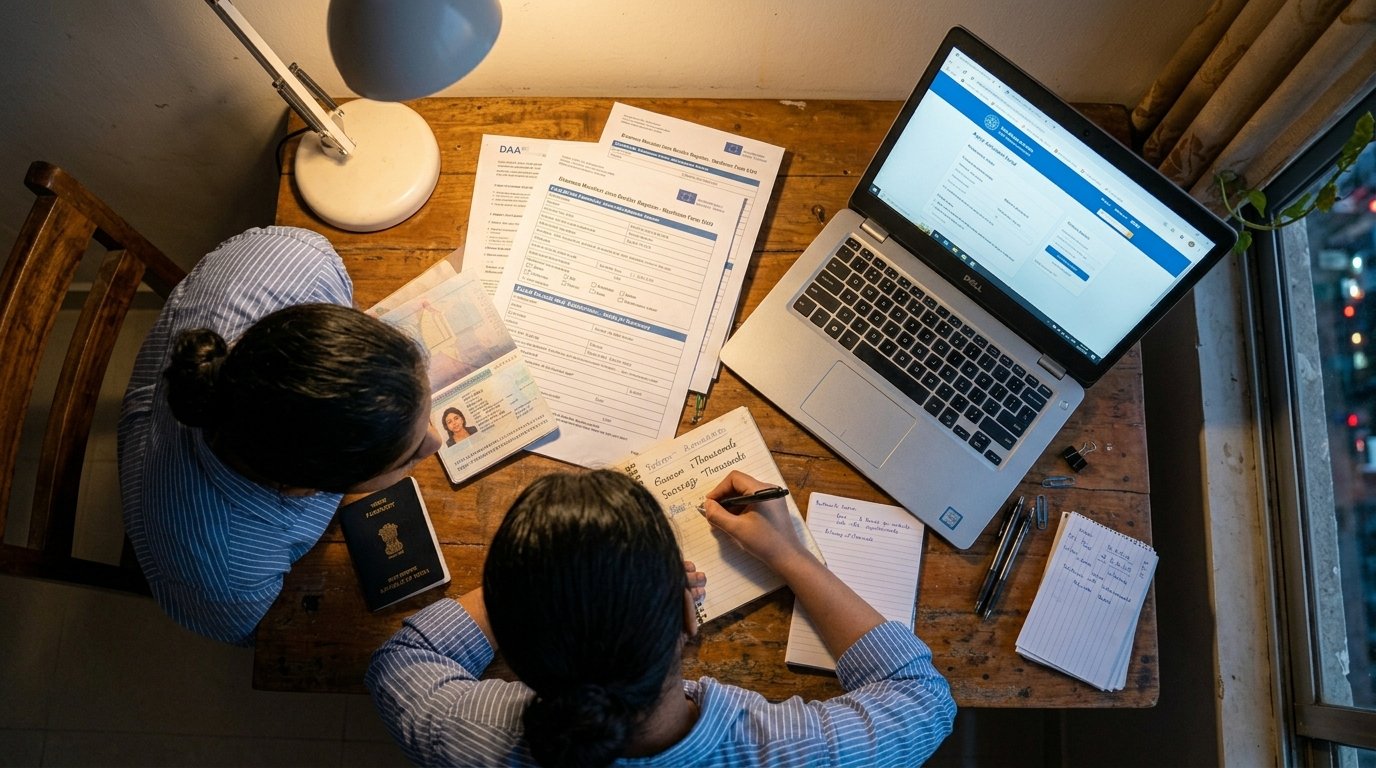
Follow this practical sequence to execute the study abroad trick:
-
Identify “No-Tuition” or “Low-Tuition” Zones: Focus on public universities in Germany, Italy, or Hungary.
-
Check Eligibility for MOI: Email the international office to ask if they accept a Medium of Instruction certificate. This is the ultimate study abroad trick 2026 to save on English test costs.
-
Prepare a “Global” CV: Use the Europass format.
-
Stack Your Scholarships: Apply for the university’s internal merit scholarship and the government-funded regional grants simultaneously.
-
Document Legalization: Get your transcripts attested by your local Ministry of Education and Foreign Office early.
-
The Visa Appointment: In 2026, many embassies use third-party providers (like VFS or BLS). Book your slot at least 4 months before your start date.
Real Cost Breakdown (2026 Estimates)
When looking for how to study abroad on a low budget, seeing the numbers is vital. Here is a comparison of traditional vs. the “Trick” method.
| Expense Category | Traditional Route (UK/USA) | The 2026 Trick Route (Italy/Germany) |
| Annual Tuition | $20,000 – $40,000 | $0 – $3,000 |
| Monthly Living | $1,500 – $2,500 | $500 – $800 |
| Visa Fees | $500 – $1,200 | $80 – $150 |
| IELTS/TOEFL | $250 | $0 (using MOI/Duolingo) |
| Total Year 1 | $40,000+ | $7,000 – $12,000 |
Note: Many students in Italy and Germany offset that $7,000 entirely through regional scholarships and part-time work.
Best Scholarships in 2026
To achieve a fully funded scholarship 2026 status, you must target these three:
-
Erasmus Mundus (Europe): A prestigious program that allows you to study in at least three different European countries. It covers everything: travel, visa, installation, and a monthly stipend of €1,100–€1,200.
-
DAAD (Germany): Specifically for Master’s and PhD students. It’s highly competitive but pays for your entire stay in Germany.
-
Stipendium Hungaricum (Hungary): A government-to-government scholarship. If you are from Pakistan or India, check your local Higher Education Commission (HEC) website as they manage these nominations.
Study Abroad Without IELTS (High Search Topic)
Can you really study abroad without IELTS? In 2026, the answer is a resounding yes. Many universities recognize that English proficiency can be proven in other ways:
-
Medium of Instruction (MOI): If your previous degree was taught in English, a certificate from your Registrar is often enough for universities in France, Italy, and Poland.
-
Duolingo English Test (DET): This is cheaper ($59), can be taken from home, and results are available in 48 hours. Most US and European universities now accept this.
-
Internal University Tests: Some universities in Europe conduct their own online English interviews or tests, bypassing the need for expensive external exams.
Common Mistakes to Avoid
Even with the best study abroad cost reduction tips, students often fail due to these three errors:
-
Ignoring Deadlines: European public universities often have very early deadlines (January–March for September intake).
-
Hidden City Costs: Studying in Munich (Germany) is free, but rent is double what you’d pay in Leipzig. Research the city, not just the university.
-
Incomplete Document Attestation: If your documents aren’t properly stamped by your home country’s foreign office, your visa will be rejected regardless of your scholarship.
Tips to Save More Money
-
Student Discounts: Use your ISIC (International Student Identity Card) for everything from laptops to train tickets.
-
Shared Accommodation: Use websites like WG-Gesucht (Germany) or Idealista (Italy) to find shared rooms rather than private studios.
-
The 20-Hour Rule: Most European student visas allow you to work 20 hours per week. In 2026, minimum wages in Western Europe range from €12 to €15 per hour, which can easily cover your rent and groceries.
FAQs (Frequently Asked Questions)
Can I study abroad for free?
Yes, countries like Germany, Norway (for PhD), and several Nordic countries offer tuition-free education at public universities, provided you meet the entrance criteria.
Which country is cheapest for international students?
Italy and Hungary currently offer the best balance of low tuition fees and high scholarship availability for 2026.
Is IELTS mandatory for a study visa?
Not always. If the university provides an Admission Letter stating they have waived the English requirement based on your MOI or an interview, most European embassies will process the visa without IELTS.
How much bank balance is required for Europe?
For Germany, you generally need a “Blocked Account” with approximately €11,200 (for 2026). However, in Italy, if you secure a DSU scholarship, the bank balance requirement is significantly lower.
Can I work while studying?
Most countries allow international students to work 20 hours per week during the semester and full-time during holidays.
What is the “trick” for 2026?
The trick is “Pathway Switching”—applying to high-scholarship regions like Italy or Hungary as a gateway to the European job market, rather than taking high-interest loans for the UK or USA.
Conclusion
The study abroad trick 2026 is about being smarter, not richer. By shifting your focus toward countries like Italy, Germany, and Hungary, and utilizing the study abroad without IELTS pathways, you can save upwards of $30,000 on your education. The global landscape has changed; the best education is no longer reserved for those with the deepest pockets, but for those with the best information. Start your application today—the 2026 intake is waiting for you!