

1. Overnight Oats (or Warm Steel-Cut Oats)

Oats are the classic slow-burn breakfast, and there’s real science behind why. A basic serving of oats gives you a solid mix of 152 calories, 5.3 grams of protein, 27 grams of carbohydrate, and 4 grams of dietary fiber per 40 grams, which is a pretty efficient package for something you can prep the night before. That fiber, especially the beta-glucan type, is what slows everything down so you’re not running on empty by mid-morning.
The trick is choosing the right oats. The more processed the oats are, as in the case of instant oats and even some rolled oats, the faster your body digests them, and the faster your blood sugar can potentially increase. So if you’re a busy mom throwing oats in a jar the night before, steel-cut or old-fashioned rolled oats are worth the extra minute, especially topped with something with a little fat or protein like a spoon of nut butter or a handful of walnuts.
2. Chia Seed Pudding

Chia seeds look unassuming, but they punch way above their tiny size. A single one-ounce serving, about two tablespoons, gives you 5 grams of plant protein and 10 grams of fiber, which is honestly a lot for something you can stir into a jar and forget about overnight. That protein and fiber combo is exactly what helps prevent the sugar spike-and-crash pattern that hits so many mornings.
Harvard Health notes that the protein in chia seeds can help stabilize blood sugar levels and provide a steady source of energy. For a busy household, that means you can make a batch of chia pudding with plant milk on Sunday night and have breakfast basically solved through Wednesday. Toss in some fruit or a drizzle of maple syrup and nobody at your table will guess it’s secretly doing so much nutritional heavy lifting.
3. Berries (Blueberries, Strawberries, Raspberries)

Berries feel like a treat, but they’re one of the smartest sugar choices you can make at breakfast because they bring natural sweetness without the glucose rollercoaster of processed sugar. Blueberries specifically sit at a glycemic index of 53, which supports steady glucose release, meaning you get sweetness without the crash that follows something like a sugary muffin. They’re also loaded with antioxidants, which is a nice bonus even if your kids just think they taste good.
The easiest way to use berries in a real, busy-morning kind of way is to just toss a handful onto whatever you’re already eating. Stir them into oatmeal, layer them over yogurt, or blend them into a smoothie with a scoop of nut butter for staying power. There’s no chopping, no prep, and frozen berries work just as well as fresh when you’re in a hurry.
4. Nut Butter on Whole Grain Toast

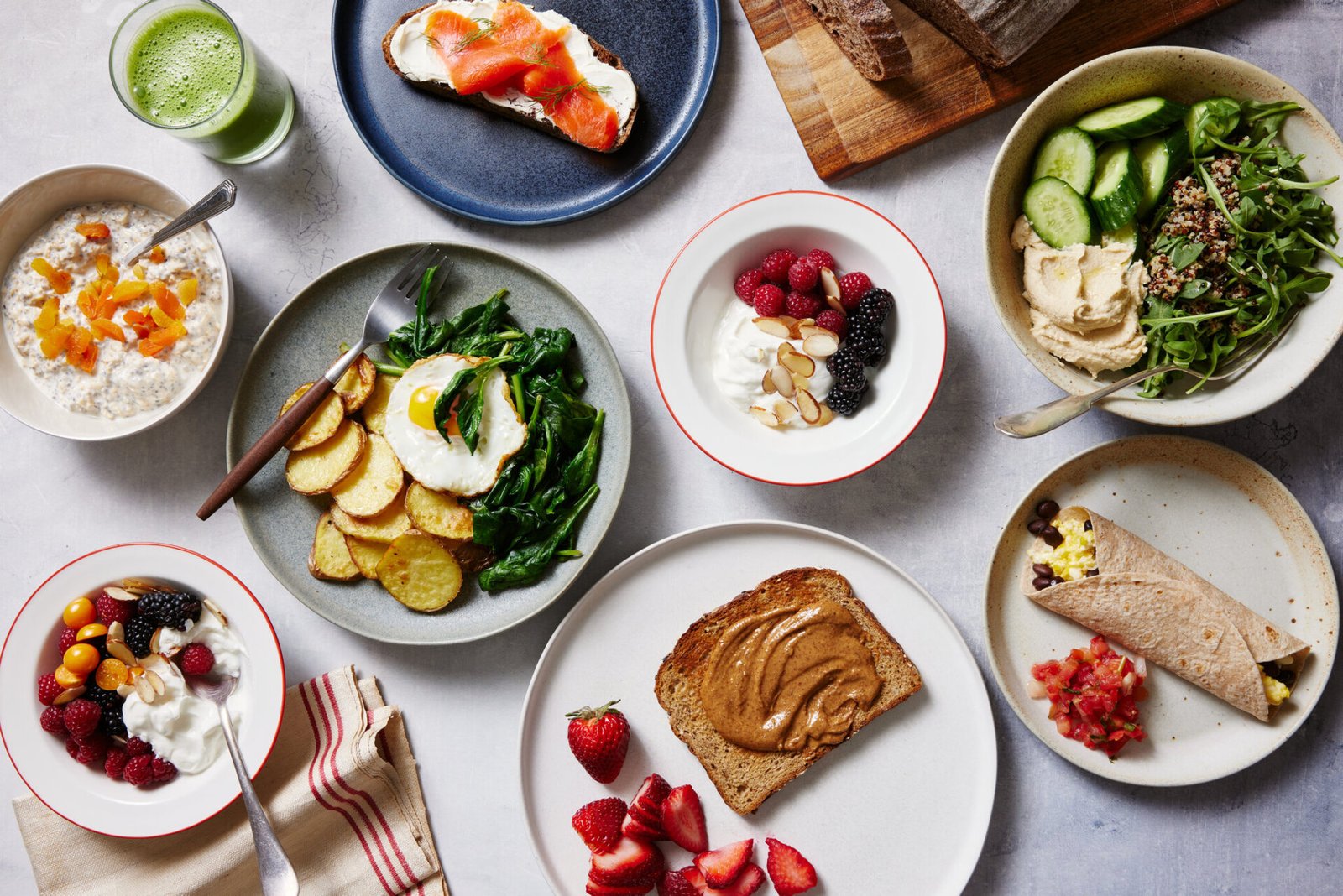
This one is basically the adult version of peanut butter toast, and it turns out our childhood instincts were onto something. Nut butters are rich in protein and healthy fats, providing sustained energy throughout the morning, which is exactly what a plain slice of toast is missing on its own. Pair it with a whole grain bread instead of white, and you’ve added fiber to the mix too, which slows digestion even further.
What makes this a genuinely realistic option for busy mornings is that it takes about ninety seconds to make. Almond butter, peanut butter, sunflower seed butter, whatever you’ve got in the pantry works, and about two tablespoons gets you close to a great source of protein and healthy fats without needing to cook anything. Add banana slices or a sprinkle of chia on top if you want to stretch the energy even further.
5. Bananas

Bananas get a bit of a bad reputation for being “too sugary,” but that’s not really the full picture. A medium banana has a glycemic index of around 51, making them safe for people with diabetes in limited amounts, and that moderate GI comes down to the fiber that travels along with the natural sugar. This is different from something like fruit juice, which strips out the fiber and leaves mostly fast sugar behind.
Bananas earn their spot on a busy morning list because there’s zero prep involved. You peel it and you’re done, or you slice it over toast, blend it into a smoothie, or pair it with a spoon of nut butter for a more balanced snack. Unlike high-sugar pastries that spike and crash, the banana’s balance of resistant starch and potassium supports steadier energy and hydration, which matters more than people realize on mornings that start with a school run or a commute.
6. Avocado on Whole Grain Toast

Avocado toast gets called trendy, but the reason it stuck around isn’t hype, it’s the fat and fiber combination doing its job. The monounsaturated fats in avocado digest slowly, which means they help stretch out your energy instead of letting it spike and drop the way a plain carb-only breakfast tends to do. Pairing it with whole grain bread instead of white adds even more fiber to that slow-release effect.
This is one of those breakfasts that feels indulgent but is actually working quietly in your favor. Mash half an avocado onto toast, add a pinch of salt and red pepper flakes, and you’ve got something that takes less time than waiting for a coffee order. If you want extra staying power, a sprinkle of hemp seeds or a poached egg on top rounds it out nicely.
7. A Protein-Packed Green Smoothie

Smoothies get a mixed reputation because a lot of the bottled or coffee-shop versions are basically sugar in a cup. The homemade version is a different story when you build it right, using spinach, a plant milk base, and something with staying power like nut butter or a scoop of protein powder. Adding fruits like berries, bananas, or spinach for nutrients and flavor, and seeds like chia or flax for extra protein is exactly the combination that keeps a smoothie from turning into a quick sugar rush.
The real appeal here is speed. You can throw everything into a blender the night before, keep it in the fridge, and drink it in the car if that’s just how your mornings go some days. It’s an easy way to sneak greens into a meal without anyone at the breakfast table noticing there’s spinach hiding in there.
8. Chia, Flax, or Hemp Seeds Stirred Into Breakfast

Seeds are the quiet overachievers of the breakfast world. Hemp seeds, for example, contain slightly more protein at 5 grams per tablespoon than chia, and they blend seamlessly into oatmeal, yogurt, or a smoothie without changing the flavor much at all. Flaxseed brings a similar protein and fiber boost, plus a dose of omega-3s, and it’s easy to grind a batch and keep it in the fridge for weeks.
This is less of a standalone breakfast and more of an energy insurance policy you sprinkle onto whatever you’re already eating. A tablespoon on your oatmeal, a spoon in your smoothie, or a scoop mixed into pancake batter adds staying power without adding much effort. It’s the kind of small habit that pays off exactly around the time your energy would otherwise start dipping.