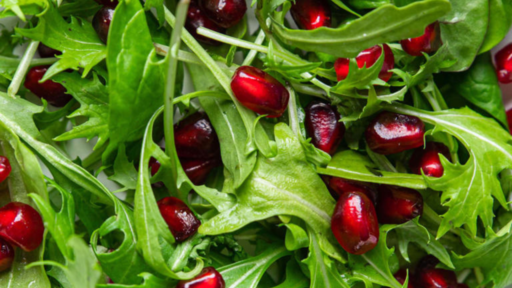




Boost your energy naturally with foods rich in essential nutrients. Discover how unprocessed foods, fruits, and lean proteins can keep you energized throughout the day.
1. Unprocessed Foods
Unprocessed or minimally processed foods rich in nutrients can enhance your energy. Opt for choices high in:
- Magnesium
- Iron
- B vitamins
- Carbohydrates
Unprocessed, whole foods filled with protein and fiber with a low glycemic index help increase energy levels by balancing blood sugar levels. They also offer healthy nutrients that keep you satiated (having a satisfied feeling of fullness) for longer and leave you with lasting, sustained energy.
2. Fruits and Vegetables
Fruits and vegetables, rich in complex carbohydrates, can sustain your energy levels. Many are also high in vitamin C, supporting your immune system and aiding energy production in cells.
Foods rich in vitamin C include:
- Broccoli, peppers
- Citrus fruits, kiwi, pineapple, watermelon
- Leafy greens
Fruits and vegetables have a high water content, which provides the body with crucial hydration for maintaining energy levels.
3. Non-Caffeinated Beverages
Skip the midday crash. If you’re looking for more energy, select healthy beverages that don’t contain caffeine. Consider coconut water, which is rich in carbohydrates, magnesium, and other electrolytes that can help boost energy levels naturally.
4. Lean Protein
Foods rich in iron and vitamin B12 can help prevent fatigue while offering a subtle energy boost. Foods containing lean animal protein and these energy-supporting nutrients include:
- Lean cuts of red meat
- Fish
- Poultry
- Tofu (if fortified with B12)
Lean animal protein contains all of the essential amino acids, key compounds that support the body in generating energy, in the proportions the body needs.
5. Whole Grains and Complex Carbs
Whole grains contain more iron, vitamin B, and fiber than refined grains. This nutrient mix balances energy levels and keeps you feeling full. Look for options like:
- Brown rice
- Bulgur
- Farro
- Quinoa
Complex carbohydrates from whole grains are a healthier carbohydrate choice because they haven’t been processed or refined.
6. Water
Dehydration can make you feel tired and irritable. Studies suggest it negatively impacts energy, mood, and cognition (gaining and retaining knowledge), such as short-term memory and attention span.
Staying hydrated throughout the day has a positive impact on these functions. Maintaining hydration levels also helps improve activities that require energy, such as athletic performance and mental alertness.
7. Bananas
The mix of carbohydrates and fiber found naturally in bananas makes this fruit an excellent, convenient energy source. Studies suggest that the carbs in bananas are particularly beneficial for post-workout recovery, as they replenish stored glucose (blood sugar) while allowing the body to regulate its energy expenditure (metabolic recovery).
8. Oats
Oats are a nutrient-rich carbohydrate full of vitamins, minerals, and fiber. The carbohydrates in oat products like oatmeal initially boost blood sugar levels, while the fiber controls them. This prevents a sugar crash and leads to long-lasting energy.
9. Eggs
Foods rich in vitamin D, like eggs, are essential for strong bones. Research shows that optimum vitamin D intake helps reduce muscle fatigue.
In addition, eggs contain B vitamins like thiamine, crucial for energy production.
10. Beans
Legumes like beans are full of complex carbohydrates, offering a steady stream of energy after consumption. Kidney beans contain a solid amount of carbohydrates to boost blood sugar levels, with an ideal serving of fiber to prevent a sugar crash. Similarly, garbanzo beans (or chickpeas) contain a mix of carbs, protein, and fiber, allowing for sustained energy release.
11. Berries
Berries may be most known for their high antioxidant levels, which can slow or stop cell damage, but they are also a good source of carbohydrates. This means berries like blueberries can help boost your energy and reduce fatigue.
12. Nuts
Different types of nuts, like almonds, are a key snack for prolonging energy. They’re full of protein and healthy fats while a bit lower in carbohydrates. Nuts support a burst of energy but aren’t likely to lead to a blood sugar spike and crash.
Nuts, with their vitamin B and magnesium content, can also help combat fatigue. These nutrients are crucial for the body’s energy production.
13. Chia Seeds
Chia seeds offer a balanced mix of protein, carbohydrates, and fat, which supports a sustained cascade of energy throughout the day. They’re also rich in vitamins and minerals like magnesium and iron, essential for increasing energy levels.
What to Avoid
In addition to incorporating more energy-boosting foods into your diet, you may want to avoid energy zappers. For example:
- Skip added sugars: Sugary soft drinks, sweetened coffee, and energy drinks can give you a buzz at first, but due to the rapid rise and fall of blood sugar levels, they will likely lead to an energy crash after an hour or so.
- Limit alcohol: Alcohol not only makes you feel sleepy, but it can also disrupt your sleep, making you more tired the next day.
- Avoid processed grains: Found in white bread, pasta, and rice, processed grains don’t contain as much fiber as their whole-grain counterparts, which can trigger a quick rise and drop in blood sugar levels and overall energy.
- Stay away from fried foods: Fried comfort food is digested by the body more slowly, thanks to the high fat and low fiber content. When digestion slows, energy levels can be negatively impacted as nutrients are not absorbed by the body as quickly.