

Medically reviewed by Angela Ryan Lee, MD
- What you eat can influence your long-term heart and vascular health.
- Certain fruits and vegetables contain plant compounds that may help support blood vessel health or prevent blood clotting.
- Though research into these compounds is promising, more studies need to be done to confirm whether adding these foods to your diet can lead to healthier circulation.
There are lots of different ways to support your heart health, whether it’s jogging around your block or following a nutritious diet so you can manage your weight. Eating fruits and vegetables is always a key part of eating healthy, but there are certain types of produce that may offer additional protection for your cardiovascular health.
Onions, citrus fruits, and other types of produce contain special plant compounds that may help lower your risk of blood clots or improve your blood vessel health, which supports better circulation.
1. Berries
Berries are famous for their antioxidant properties—they contain plant compounds that help fight free radicals (cell-damaging molecules) in the body and lower inflammation. Preventing inflammation in the blood vessels may help reduce the risk of blood clots.
Strawberries, raspberries, and blueberries are also rich in salicylates, a group of hormones that help plants protect themselves. Salicylates are closely related to salicylic acid, which is found in aspirin. Among other uses, aspirin is used to help prevent blood clotting. However, more research needs to be done to determine whether dietary salicylates have the same effect.
For now, some studies show that regular berry consumption may help limit platelet aggregation, the initial process of blood clot formation.
2. Citrus Fruits
Citrus fruits, such as oranges and grapefruit, contain salicylates like berries do. Plus, these fruits are rich in antioxidants called flavonoids. Research suggests that these compounds may help improve blood flow and maintain proper blood vessel function.
Specifically, flavonoids are considered vasorelaxants, which means they help blood vessels relax and widen, improving blood flow. Flavonoids also have anti-inflammatory properties, which may further help support blood vessel health and lower the risk of heart disease.
In one study, researchers found that people who regularly consumed higher amounts of citrus fruits had lower systolic blood pressure (the top number in a reading).
3. Grapes
Like other kinds of fruit, grapes are a good source of antioxidant plant compounds. Specifically, they contain flavonoids and anthocyanins (only found in purple or red grapes), which may be able to protect blood vessel health and proper blood flow.
Though there’s some evidence that grape consumption may help support healthy blood pressure, most research has investigated the effects of a supplement called grape seed extract on vascular health—studies suggest it may promote blood flow and slow blood clotting. However, more research is needed to determine if adding grapes, rather than extract, to your diet can also lead to these benefits.
4. Pomegranates
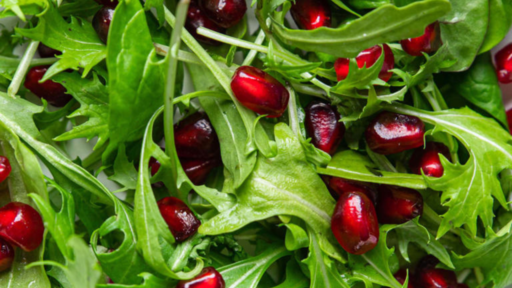
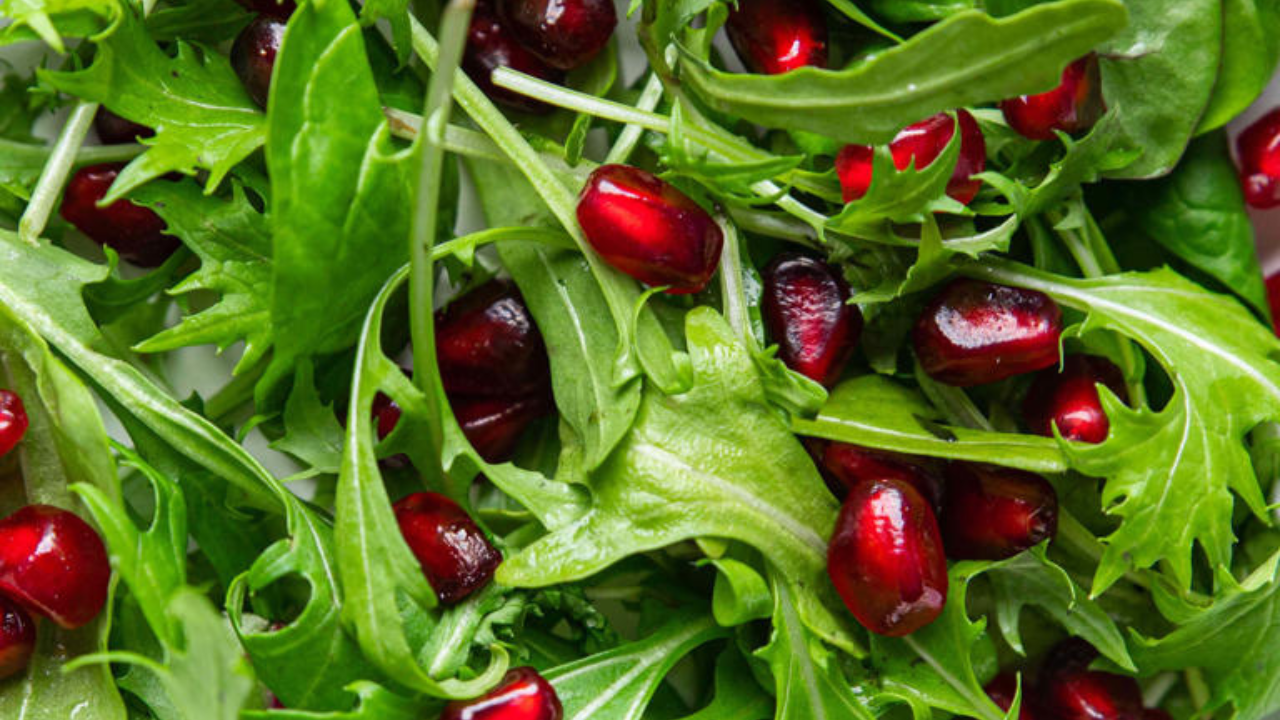
Pomegranates are rich in polyphenols, a class of plant compounds that include anthocyanins. These powerful antioxidants have anti-inflammatory properties, and research suggests they may be able to help lower the risk of blood clots and heart disease. However, more research in humans needs to be done.
These fruits also contain compounds that support the production of nitric oxide, which helps dilate and widen your blood vessels to improve blood flow. As a result, some research suggests drinking pomegranate juice may help lower blood pressure levels.
5. Leafy Greens
Leafy greens—such as kale and spinach—contain nitrates, which the body converts into nitric oxide to relax the blood vessels and improve blood flow. Research also shows that people who eat more nitrate-rich vegetables tend to have lower blood pressure.
Greens are also known for their vitamin K content—among other functions, this vitamin helps the body create proteins needed for blood clotting. However, high amounts of vitamin K can interact with the blood-thinning medication warfarin (Coumadin), so talk to your doctor before sharply increasing the amount of leafy greens in your diet.
6. Garlic
Garlic is rich in plant compounds that have anti-inflammatory, antioxidant, and antihypertensive (fighting high blood pressure) properties. One of these plant compounds, called allicin, may also help reduce platelet aggregation, the first step in blood clotting.
And some research suggests garlic may help treat or prevent atherosclerosis, or the buildup of plaque in the arteries which can lead to heart disease.
For now, though, research on garlic’s benefits is still considered limited.
7. Onions
Onions are in the same botanical family as garlic, and have similar beneficial plant compounds. In particular, onions may have anti-inflammatory properties and are rich in antioxidants called flavonoids. This may help support healthy blood vessel function, reduce blood clotting risk, and improve heart health.
More Research Is Needed
The seven produce items on this list may help promote healthier circulation, with improvements in blood vessel health and fewer blood clots. However, research is in its early stages and more work needs to be done before we actually know if eating these fruits and vegetables regularly improves your vascular health in the real world.
What we do know is that, even though these fruits and vegetables may have benefits for circulation, they shouldn’t replace blood thinners or other medications for cardiovascular health.
The bright side is that this means most healthy adults should be able to add these fruits and vegetables to their diets without consequence. However, you should talk to your doctor before significantly increasing your consumption if you’re taking certain medications, including:
- Antiplatelets
- Anticoagulants, including warfarin (Coumadin)
- Non-steroidal anti-inflammatory drugs (NSAIDs)
- Anti-arrhythmic drugs