


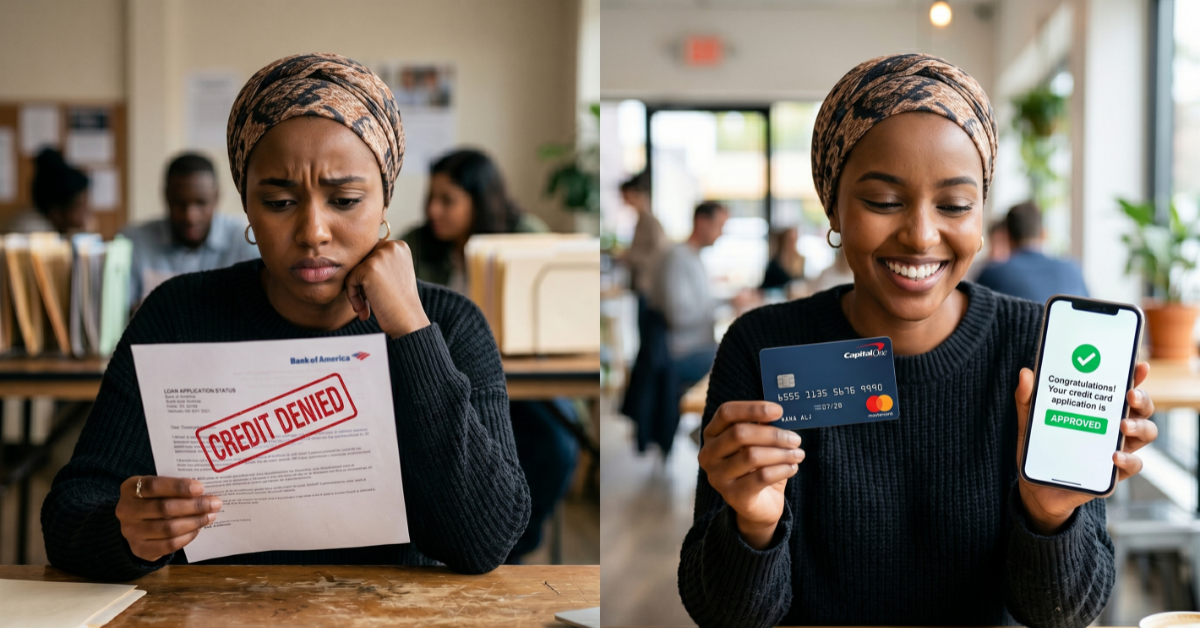

Moving to a new country is already hard. You leave behind your home, your job, your routine—sometimes even your identity. But one problem hits harder than most immigrants expect: getting approved for anything financial feels almost impossible. You apply for a credit card, and you get rejected. You try to finance a car, and the answer is no. Even renting an apartment becomes stressful because landlords check something you may not even have—a credit score.
Read More: I Found the Cheapest Health Insurance Plan in USA, Here Is the Cost
Here’s the frustrating part: you might have handled money responsibly your entire life. You may have paid bills on time for years in your home country. But none of that follows you. In the U.S. and many other countries, your financial past basically resets to zero. It’s like starting a game where everyone else is already at level 50, and you’re stuck at level 1.
That’s where this changes.
There’s a simple credit score trick for immigrants that’s helping people go from “no credit” to approved in just a few months. It’s not illegal. It’s not complicated. And no, it doesn’t require a high income.
The best part? You can start today—even if you have zero credit history.
Keep reading, because this one strategy could save you months (or even years) of frustration—and finally open doors that have been closed since you arrived.
What Is a Credit Score
Simple Definition
A credit score is just a number. But that number carries a lot of power. It tells banks, lenders, and even landlords how trustworthy you are when it comes to money. Think of it like a financial reputation score. The higher your score, the more people trust you to borrow money and pay it back on time.
In most countries like the United States, credit scores usually range from 300 to 850. A score above 700 is considered good. Above 750 is excellent. But here’s the catch: if you’re new to the country, you probably don’t have a score at all. And having no score is often treated the same as having a bad score.

This is where many immigrants get stuck.
Lenders don’t know your history, so they assume risk. And when lenders see risk, they either say no—or offer very high interest rates. That’s why understanding your credit score is not optional. It’s essential.
Your score is based on a few simple factors:
- Do you pay your bills on time?
- How much credit are you using?
- How long have you had credit?
- What types of credit do you have?
Even though this sounds technical, the idea is simple: show responsible behavior consistently, and your score goes up.
Real-Life Example
Imagine two people: Alex and Maria.
Alex was born in the U.S. He has had a credit card since college. He pays it off every month. His credit score is 760. When Alex applies for a car loan, he gets approved instantly with a low interest rate.
Now meet Maria. She just moved to the U.S. She was financially responsible in her home country. She saved money. She never missed payments. But here? She has no credit history. Her score is either nonexistent or very low.
When Maria applies for the same car loan, she gets rejected.
Same responsibility. Different outcome.
That’s the reality immigrants face. But it doesn’t have to stay that way.
Why Immigrants Struggle with Credit Approval
No Credit History
The biggest barrier is simple: no credit history. In many financial systems, if you haven’t borrowed money before, lenders don’t know if they can trust you. It sounds unfair, but that’s how the system works.
For immigrants, this becomes a major issue because your financial history from another country usually doesn’t transfer. Even if you had loans, credit cards, or a perfect repayment record, it often doesn’t count.
So when you arrive, you’re invisible in the credit system.
This creates a cycle:
- You need credit to build a score
- But you need a score to get credit
That’s why so many immigrants feel stuck right from the beginning.
No SSN or Limited Records
Another challenge is documentation. Many credit systems rely on identifiers like a Social Security Number (SSN). If you don’t have one yet, or if you’re using an ITIN (Individual Taxpayer Identification Number), your options may be limited.
Some lenders simply don’t accept applications without a full credit profile tied to an SSN. Even if they do, they may require extra documents, deposits, or proof of income.
This slows everything down.
It also increases rejection rates, which can hurt your confidence and make you hesitant to apply again.

High Rejection Rates
Rejection is not just frustrating—it can actually make things worse. Every time you apply for credit, a hard inquiry may be added to your file. Too many inquiries in a short time can lower your score slightly or make lenders more cautious.
Immigrants often apply to multiple places hoping for approval, only to face repeated rejections.
It becomes a cycle of:
- Apply
- Get rejected
- Try again
- Get rejected again
But there is a smarter way to break this cycle—and it starts with one simple strategy.
The Simple Credit Score Trick
What Is the Trick
Here’s the strategy that’s quietly helping thousands of immigrants build credit fast:
Become an authorized user on someone else’s credit card.
Yes, that’s it.
This is one of the most powerful and overlooked credit score tricks for immigrants. It allows you to borrow someone else’s good credit history—legally and safely.

When someone adds you as an authorized user on their credit card, that account can appear on your credit report. If that person has a long history of on-time payments and low balances, it can instantly boost your profile.
You don’t even need to use the card.
You’re essentially piggybacking on their positive credit behavior.
How It Works
Let’s break it down simply.
When you’re added as an authorized user:
- The credit card’s history may be reported under your name
- This includes payment history, credit age, and usage
- Your credit profile becomes stronger almost immediately
But there’s a condition: the primary cardholder must have good credit habits. If they miss payments or carry high balances, it can hurt you instead.
That’s why choosing the right person is critical.
Ideally, this should be:
- A trusted family member
- A close friend
- Someone with a long, clean credit history
This method works because credit systems reward history and consistency. And instead of waiting years to build that yourself, you tap into someone else’s established record.
It’s simple. It’s effective. And it can change your financial path faster than you expect.
Step-by-Step Action Plan
Now that you understand the credit score trick for immigrants, let’s turn it into something practical you can act on today. The goal here is simple: move from “no credit” to a strong, visible credit profile as quickly and safely as possible. This is not about shortcuts that break rules. It’s about using the system the smart way.
Start by identifying someone you trust who already has a good credit history. This could be a family member, spouse, or even a close friend. The key is not just trust—but their financial habits. They should have a credit score above 700, a long history of on-time payments, and low credit utilization (meaning they don’t max out their cards). Once you’ve identified the right person, ask if they’re willing to add you as an authorized user on one of their credit cards. They don’t need to give you the card or let you spend anything. The benefit comes simply from being added.
Once you’re added, confirm that the credit card issuer reports authorized users to the major credit bureaus. Not all do, so this step matters. After that, give it some time—usually 30 to 60 days—for the account to appear on your credit report. During this period, avoid applying for too many credit products. Let your profile strengthen first.
Then, take the next step: apply for your own secured credit card. This is a beginner-friendly option where you deposit money (for example, $200), and that becomes your credit limit. Use it for small purchases like groceries or subscriptions, and pay it off in full every month. This builds your independent credit history.
Here’s a simple action checklist you can follow:
- Find a trusted person with strong credit
- Get added as an authorized user
- Wait 30–60 days for reporting
- Apply for a secured credit card
- Use less than 30% of your limit
- Pay your balance in full every month
If you follow these steps consistently, you’re not just building a score—you’re building financial trust in a system that didn’t recognize you before.
Real-Life Example or Case Study
Let’s make this real.
Meet Ahmed. He moved to the United States from Egypt with a stable job in IT. Back home, he managed his finances well. He saved money and avoided debt. But when he arrived, he ran into the same wall many immigrants face—no credit history.
Ahmed applied for a credit card and got rejected. Then he tried financing a car. Rejected again. Even apartment applications became difficult. It wasn’t about his income—it was about his invisible financial identity.
Then he learned about this credit score trick for immigrants.
Ahmed’s cousin, who had lived in the U.S. for over 10 years, had a credit score of 780. His cousin added Ahmed as an authorized user on a credit card that had a perfect payment history and low balance.
Within 45 days, something changed.
Ahmed checked his credit report—and for the first time, he had a score: 702.
That number opened doors.
He applied for a secured credit card and got approved instantly. He used it carefully, spending small amounts and paying them off in full every month. After three months, his score increased to 728. Six months later, he qualified for an unsecured credit card with better benefits.
Within a year, Ahmed went from zero credit to being approved for a car loan—with a reasonable interest rate.
The key takeaway? Ahmed didn’t do anything complicated. He didn’t earn more money overnight. He simply used a smart strategy that allowed the system to recognize his reliability faster.
This is not a rare story. It’s happening every day. And it can happen to you too.
Tools and Apps That Help
Building credit today is much easier than it was even a few years ago. There are tools designed specifically to help beginners—and many of them are perfect for immigrants starting from scratch.
One of the most useful tools is credit monitoring apps. Apps like Credit Karma or Experian allow you to check your credit score for free. They also show what’s affecting your score and give suggestions for improvement. This is important because when you’re building credit, visibility matters. You need to track progress and catch mistakes early.
Another powerful category is credit builder apps. Services like Self or Kikoff offer small loans designed specifically to help you build credit. You don’t get the full loan upfront. Instead, you make monthly payments, and those payments are reported to credit bureaus. Over time, this builds a positive payment history.
There are also secured card providers that are beginner-friendly, such as Discover it Secured or Capital One Platinum Secured. These cards are widely accepted and report to all major credit bureaus.
Here’s a quick comparison:
| Tool Type | Example | Best For | Key Benefit |
|---|---|---|---|
| Credit Monitoring | Credit Karma | Beginners | Free score tracking |
| Credit Builder Loan | Self | No credit users | Builds payment history |
| Secured Credit Card | Discover Secured | Fast approval | Easy entry point |
Using these tools together creates a strong system. You’re not relying on one method—you’re building multiple layers of trust.
Common Mistakes to Avoid
While the credit score trick for immigrants is powerful, there are mistakes that can slow you down or even damage your progress. And the tricky part? Many of these mistakes seem small at first.
One of the biggest mistakes is maxing out your credit card. Even if you pay it off later, using too much of your limit signals risk to lenders. Ideally, you should use less than 30% of your available credit. If your limit is $300, try not to spend more than $90 at any time.
Another common issue is missing payments. This is critical. Payment history makes up a large portion of your credit score. Even one missed payment can drop your score significantly and stay on your report for years.

Some people also make the mistake of applying for too many credit products at once. Each application creates a hard inquiry, and too many inquiries can make lenders cautious. It’s better to apply strategically and space things out.
Another hidden mistake is choosing the wrong authorized user account. If the primary cardholder has high balances or missed payments, it can hurt your score instead of helping it.
Avoiding these mistakes is just as important as following the right steps. Building credit is not about speed alone—it’s about consistency and discipline.
Pro Tips for Faster Approval
If you want to move faster and get approved sooner, there are a few insider strategies that can make a big difference.
First, timing matters. Apply for new credit after your authorized user account has been reported and your score has improved. This increases your chances of approval instantly.
Second, always pay your balance before the statement closing date, not just the due date. This keeps your reported balance low, which improves your credit utilization ratio.
Third, consider having more than one type of credit. A mix of accounts—like a credit card and a credit builder loan—can improve your score faster because it shows you can handle different types of credit.
Another tip is to set up automatic payments. This removes the risk of forgetting a due date. Even one missed payment can undo months of progress.
Finally, be patient—but strategic. Credit building is like planting seeds. You won’t see results overnight, but if you follow the right steps, growth is inevitable.
FAQs Section
FAQ 1: How fast can I build a credit score as an immigrant?
You can start seeing results in as little as 30 to 60 days if you use the authorized user method. However, building a strong score (700+) typically takes 3 to 6 months with consistent habits.
FAQ 2: Do I need a Social Security Number to build credit?
Not always. Some lenders accept an ITIN (Individual Taxpayer Identification Number). You can still use secured cards and credit builder loans with an ITIN in many cases.
FAQ 3: Is being an authorized user risky?
It depends on the primary cardholder. If they have good habits, it helps you. If they miss payments, it can hurt your score. Choose carefully.
FAQ 4: What is the easiest credit card to get approved for?
Secured credit cards are the easiest. They require a deposit and have high approval rates, making them ideal for beginners.
FAQ 5: Can I build credit without taking on debt?
Yes. You don’t need to carry debt. You just need to use credit and pay it off in full each month. That’s enough to build a strong score.
Conclusion
Starting from zero can feel overwhelming, especially in a new country where the rules are different. But building credit doesn’t have to take years. With the right strategy—like this credit score trick for immigrants—you can speed up the process and unlock opportunities faster.
The key is simple: take action early, stay consistent, and use the system wisely.
Doors that once felt closed can open sooner than you think.